





About KABOOKI
How we use AI
We use artificial intelligence as a tool in parts of our work with images and text. It can help us develop ideas, create first drafts and explore visual directions.
AI does not work alone. People at KABOOKI choose the direction, check the content and remain responsible for everything we publish.
Transparency matters to us. That is why we explain when visual content has been created or materially altered using AI.
We make this visible on images and adverts with a clear AI icon, so you do not have to guess.

Our AI labelling
Look for this AI icon
When an image or advert has been created or materially altered using AI, we display this icon directly on the material. The icon is intended to make our use of AI easy to recognise, both on the webshop and in our adverts.
How we use the technology
AI in images and text
AI in images
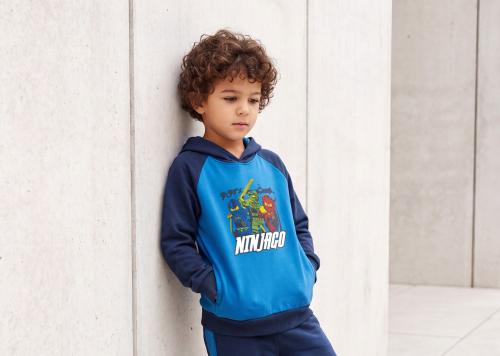
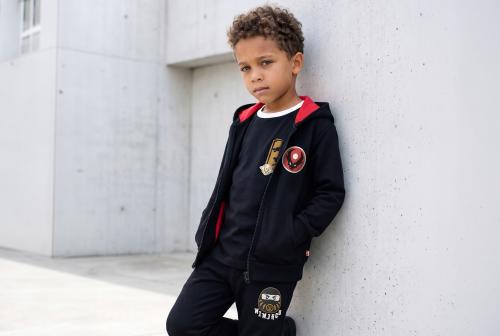
We may use AI to create or adapt visual content for inspiration, campaigns and adverts. When AI plays a material role in the finished image, we label it with the AI icon.
The label is part of the material, so it remains with the image or advert wherever you encounter it.
AI in text
We may use AI as a writing tool for ideas, first drafts, structure and language refinement. A person then reviews, edits and approves the text before it is published.
Product facts must come from our own product data and are checked as part of the editorial process.
People remain responsible
AI does not change that
AI is a tool, not the final author. We remain responsible for the quality, accuracy, tone and choices behind our content.
- We decide the purpose, message and direction.
- We review and edit AI-assisted content.
- We check product information against our own sources.
- We clearly label AI-created visual content.
Do you have questions?
If you would like to know how a particular image or piece of text was created, you are always welcome to ask us. We would rather explain once too often than once too little.