

Inspiration
How to dress children for winter
Winter weather can change from dry and cold to wet and windy during the same day. Layering makes it possible to adjust your child's clothing to the temperature and activity without changing the entire wardrobe.

Guide
Layer 1: A comfortable base layer
The base layer sits close to the body and should feel comfortable. It should help manage moisture so your child does not become cold when the activity level changes. Choose a fit that does not feel tight or form large folds underneath the next layers.
Layer 2: An insulating middle layer
The middle layer adds warmth. Its thickness depends on the temperature, wind, activity and chosen outerwear. A light layer may be enough on mild or very active days. More insulation may be useful in colder weather, provided your child can still move freely.
Layer 3: Protection from the weather
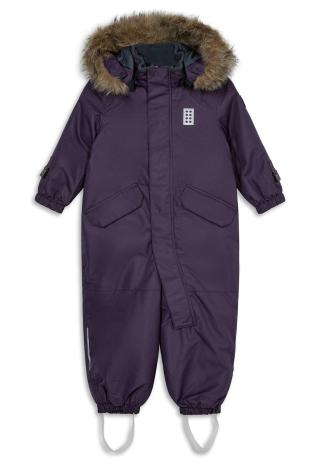
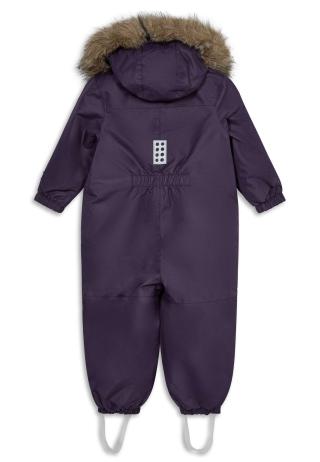
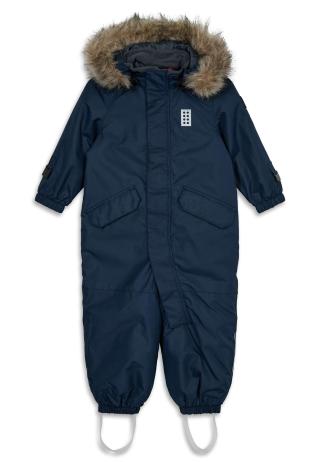
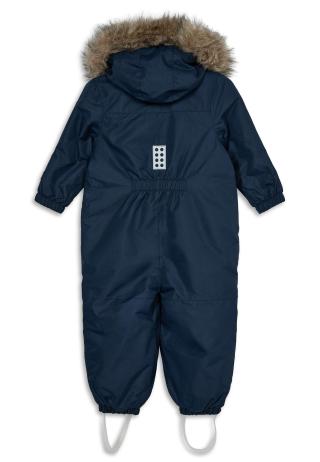
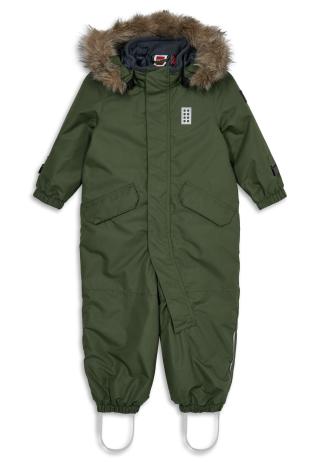
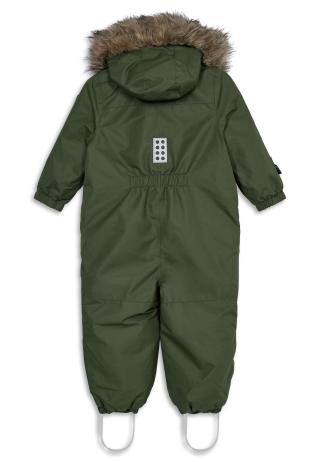
The outer layer protects against wind, cold and precipitation. A snowsuit provides protection in one garment and is practical on many winter days. Choose according to use, fit and specific features such as water column rating, seams, breathability and abrasion resistance.
Remember the head, hands and feet
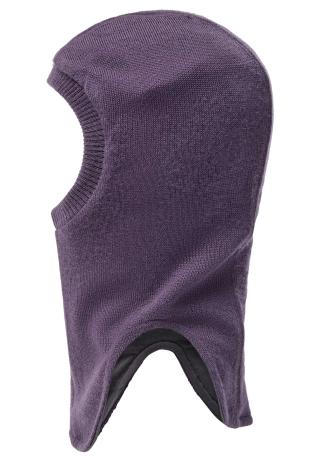
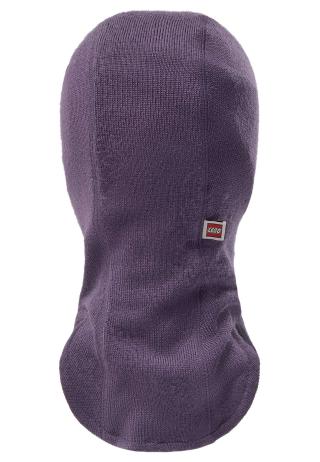
A hat, gloves or mittens, warm socks and suitable winter footwear are important parts of the complete outfit. Choose accessories for the weather and make sure sleeves, trouser legs, gloves and boots overlap appropriately.
How to check your child's temperature
Cool hands do not necessarily mean that your child is cold. Feel the neck or upper back instead. Very warm, damp skin may mean your child is wearing too much. If your child feels cool and seems uncomfortable, an additional or warmer layer may be needed.
Adjust for activity
A child who runs, climbs and plays actively produces more heat than a child who sits still. Clothing should therefore be easy to adjust. Avoid so many or such thick layers that movement becomes restricted.
A simple winter checklist
- Check the weather and planned activities, not just the temperature.
- Use layers that can be adjusted during the day.
- Allow free movement at the shoulders, knees and hips.
- Feel the neck or back and adjust for the individual child.
- Keep dry spares for hands and feet on very wet days.
Build your child's winter layers