

Inspiration
Guide to choosing a snowsuit for children
A snowsuit is often worn for many hours a day throughout winter. That means colour and size are not the only things that matter. It should give the child room to move, protect against wind and wet weather, and work well in everyday situations where it is taken on and off repeatedly.
Start by considering your child’s needs. A child who spends long periods playing actively outdoors may have different requirements from a child who mainly wears a snowsuit on shorter trips. Once the intended use is clear, the technical features are easier to assess.

Guide
1. Choose for your child’s everyday life
Consider how often the snowsuit will be worn, how active your child is, and how much contact the clothing will have with wet ground and abrasive surfaces. For active nursery days, freedom of movement, abrasion resistance, taped seams and practical details are often especially important.
2. Look at waterproofing and seams
Water column rating
A water column rating describes the amount of water pressure the material can withstand in a laboratory test. A higher figure can be useful in very wet weather, but it should not be considered on its own. The condition of the material, the fit and the way the snowsuit is used also affect protection in practice.
Always check the water column rating on the individual product page, as specifications vary across the range.
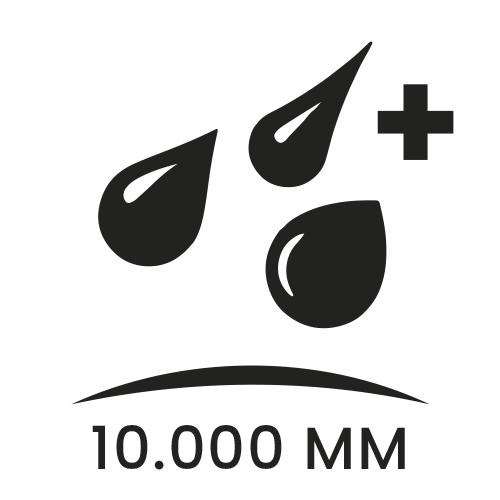
10,000 mm
Suitable for everyday wet winter weather.
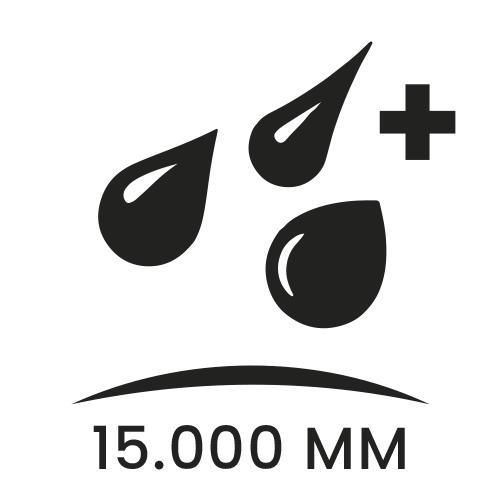
15,000 mm
Provides extra protection in very wet weather.
Taped seams
Seams can be vulnerable points where water enters more easily. A taped seam has protective tape applied on the inside to help seal the stitching against water.
Taped seams may cover the areas most exposed to water, while fully taped seams mean that every seam is sealed. Check the individual product page for the exact seam construction.

Taped seams
The seams most exposed to water are sealed.

Fully taped seams
Every seam is sealed against water.
3. Assess abrasion resistance and shared features
Martindale testing and rubs
Abrasion resistance is measured using the Martindale method. A textile sample is repeatedly rubbed against an abrasive material to assess how well the fabric resists wear. The result is stated in rubs.
Our snowsuits are specified with an abrasion resistance of either 60,000 or 100,000 rubs. A higher figure indicates greater resistance in the test, but it is a technical indicator rather than a guarantee of a particular lifespan.
60,000 rubs
High abrasion resistance for active everyday use.

100,000 rubs
Extra-high abrasion resistance for demanding outdoor play.
Shared by all our snowsuits
All our active snowsuits have these functional features:
BIONIC-FINISH® ECO
Water-repellent surface treatment.
Warmth down to -15 °C
Developed for cold winter days.
Breathable
Breathability: 6,000 g/m²/24 hours.

3M reflectors
Reflective details at the front, back and on the legs.

YKK main zip
A robust main zip for everyday use.

Can be tumble dried
At a low temperature. How to wash your child’s snowsuit.
Snowsuits with a 15,000 mm water column rating
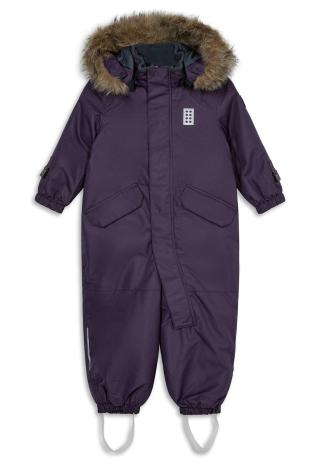
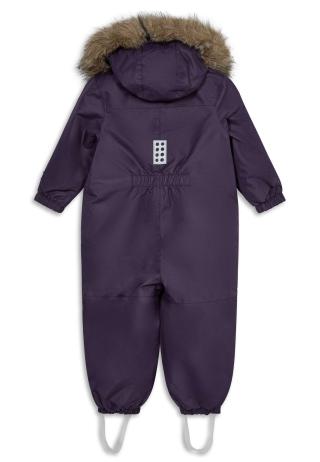
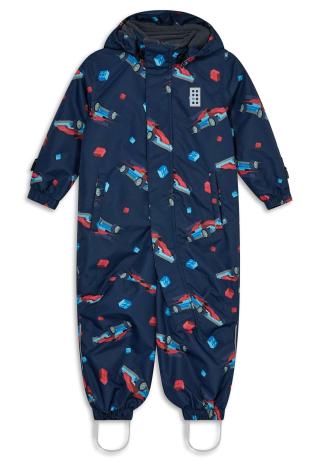
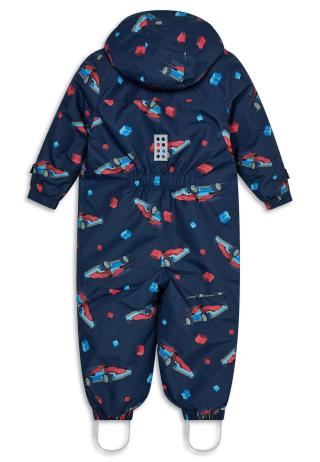
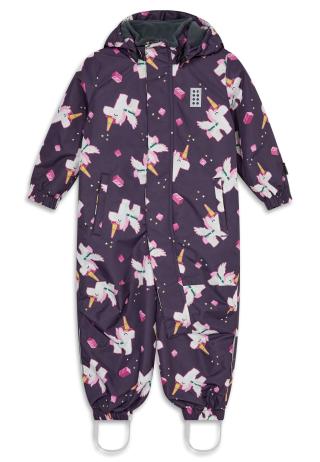
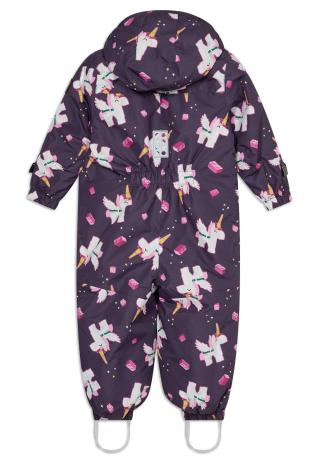
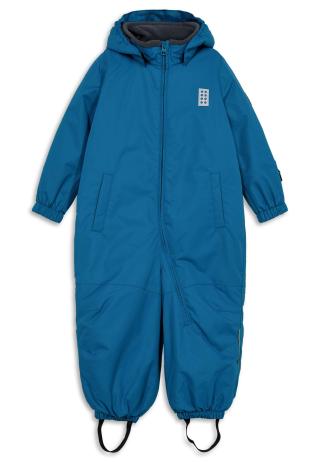
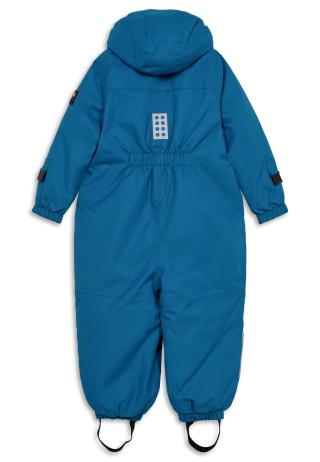
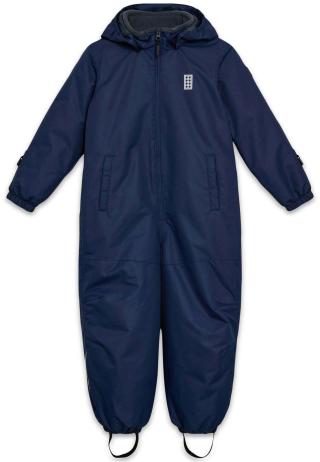
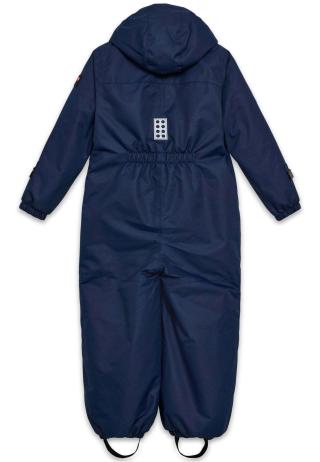
LWJIAN 715 and LWJIAN 703 are specified with a 15,000 mm water column rating and fully taped seams.
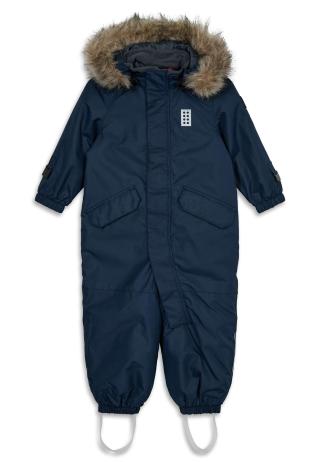
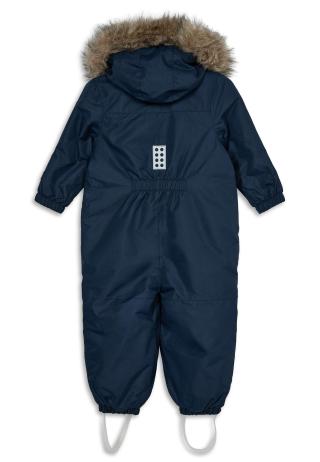


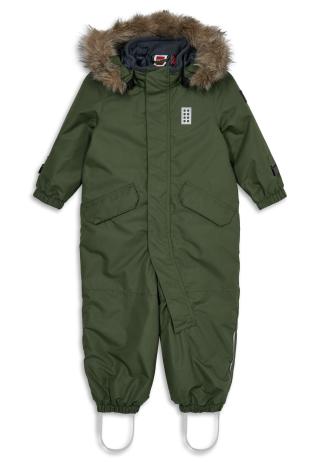
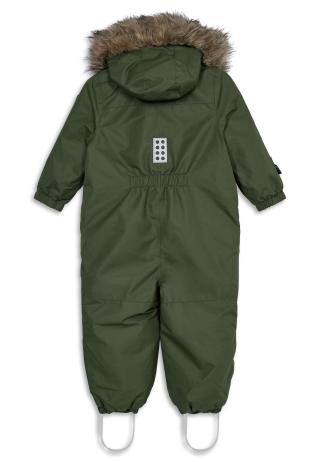


4. Ensure a good fit and freedom of movement
The snowsuit should leave room for movement and suitable layers underneath without being so large that it restricts the child. Ask your child to raise their arms, crouch down and walk a few steps. The suit should stay in place, and the sleeves and legs should continue to provide adequate coverage as the child moves.
Use the size guide as a starting point and, as a general rule, choose according to your child’s current height. If your child is between two sizes, pay particular attention to body length and freedom of movement rather than simply choosing extra growing room.
5. Look for practical details
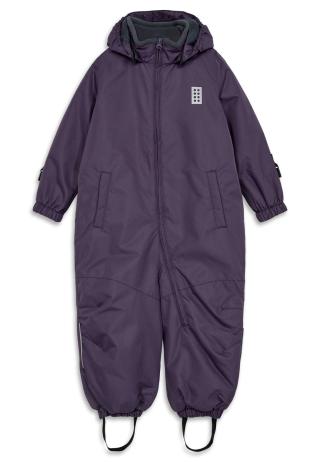
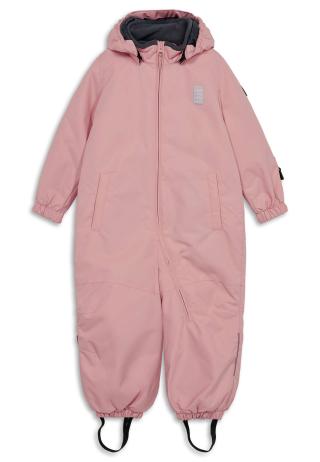
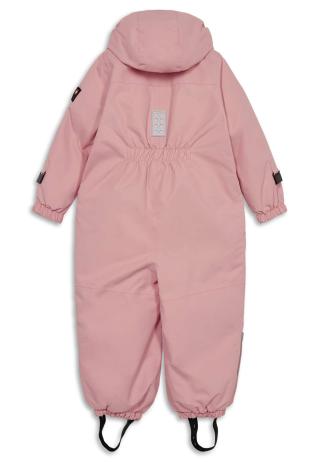
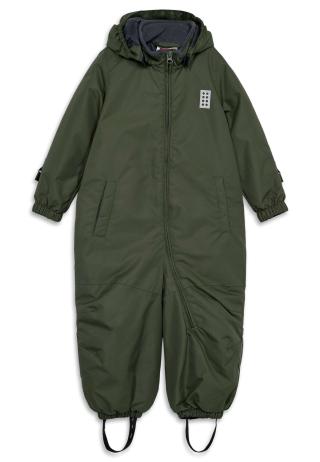
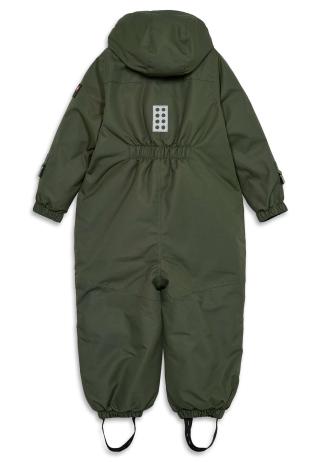
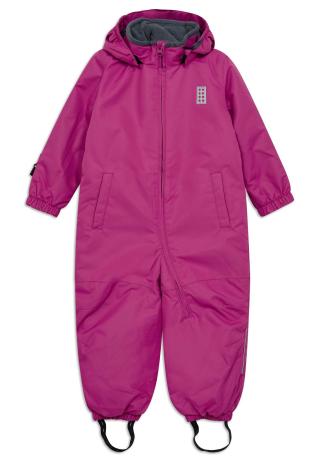
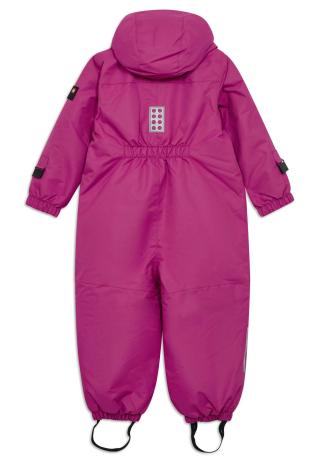
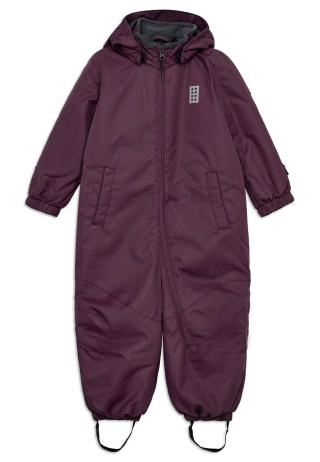
- A detachable hood, which can offer additional safety if the hood catches on something.
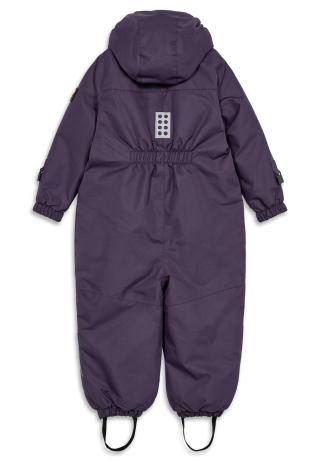
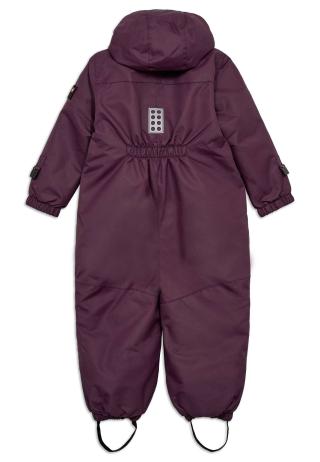
- Reflective details that improve visibility during the darker months.
- Foot straps that help keep the trouser legs over boots.
- Fastenings that are easy for both children and adults to use.
- Material and lining suited to the temperature and level of activity.
Snowsuits with a 10,000 mm water column rating
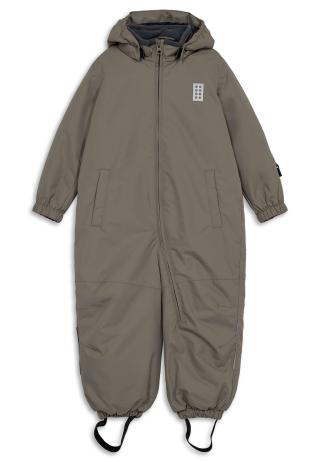
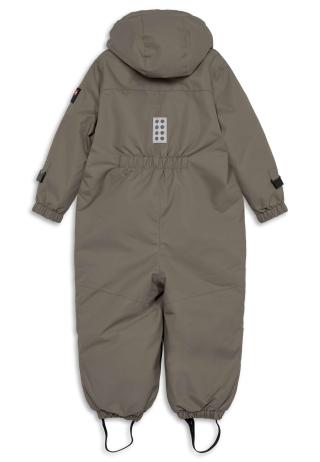
LWJORI 721 is specified with a 10,000 mm water column rating and taped seams.


6. Think in layers underneath the snowsuit
The innermost layer should help keep the skin dry, while an insulating mid-layer can be added according to the temperature and level of activity. Too many or very thick layers can restrict movement and make the child too warm. Check the neck or upper back and adjust the layers during the day.
A short checklist before you choose
- Does the suit suit your child’s activity level and typical use?
- Are the water column rating and seams suitable for the expected weather?
- Is the abrasion resistance appropriate for everyday use?
- Can your child move freely with the planned layers underneath?
- Does the suit have the details you need in everyday life?
Find the right snowsuit for your child’s winter